Lima Africa develops and operates organic-waste recovery infrastructure that converts market, municipal, and agricultural waste into climate-smart soil inputs for smallholder farming systems.
Our model combines centralized processing facilities with decentralized community production networks to reduce unmanaged organic waste, lower methane risk, restore soil productivity, and strengthen the economics of smallholder agriculture.
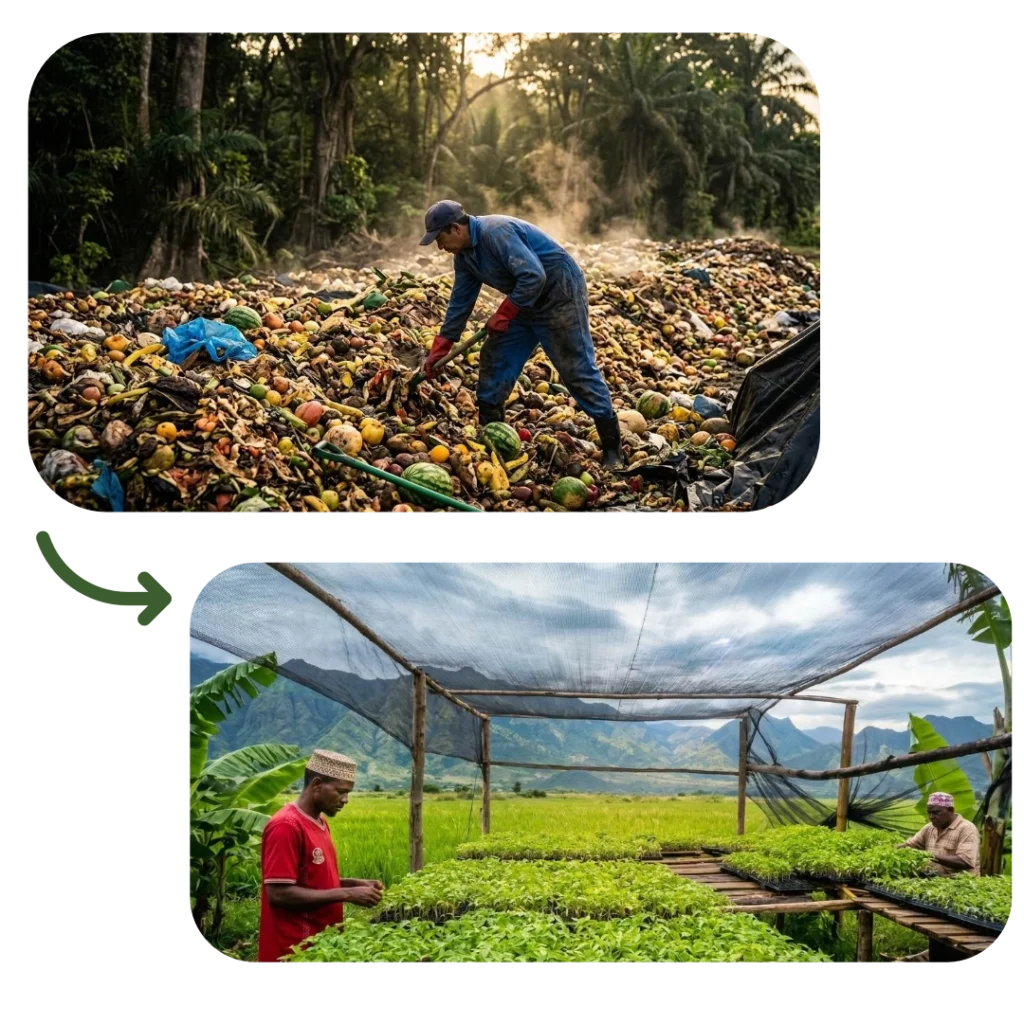
Large volumes of market, municipal, and agricultural waste are dumped, left unmanaged, or poorly recovered, creating sanitation challenges and methane risk.
Smallholder farmers are struggling with expensive fertilizers, declining soil fertility, and reduced resilience to climate shocks.
Organic matter that could restore soils is treated as waste instead of being recovered and returned to productive agriculture.
Across Tanzania, large volumes of organic waste from markets, farms, households, and food businesses are dumped, left to decompose unmanaged, or handled through fragmented informal systems. At the same time, smallholder farmers face rising fertilizer costs, declining soil fertility, and reduced resilience to climate shocks.
Lima Africa connects these two problems through one integrated infrastructure model — sourcing and processing organic waste through controlled bioconversion, composting, and organo-mineral formulation.
Lima Africa operates a hub-and-spoke model that combines centralized processing facilities with decentralized community production networks. This allows organic waste to be recovered closer to where it is generated while creating local jobs and expanding production capacity.
When food, market, and agricultural waste decomposes unmanaged in dumpsites or poorly controlled environments, it can generate methane, a highly potent greenhouse gas. Lima Africa reduces this problem by diverting organic waste from unmanaged disposal and processing it through controlled biological systems.
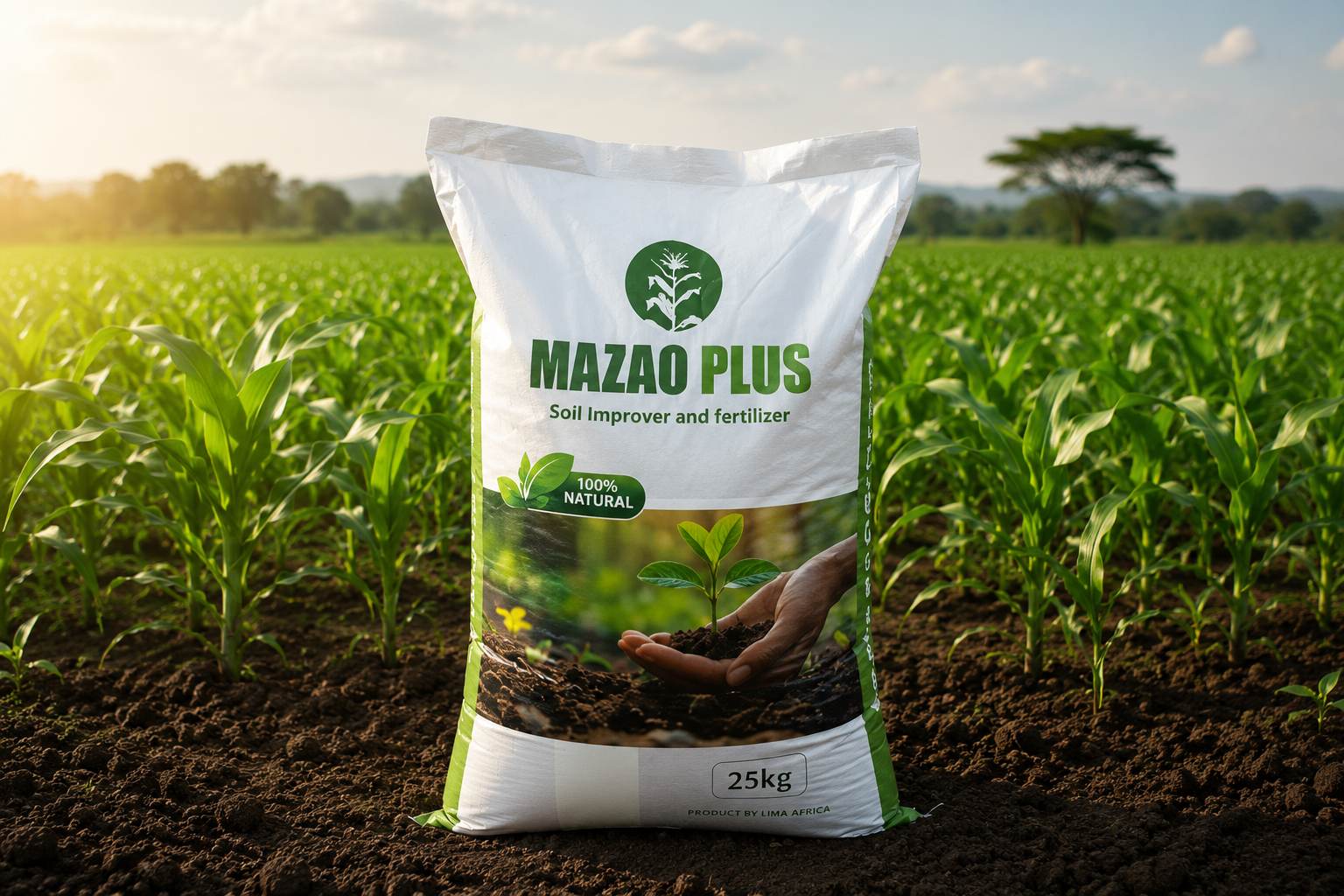
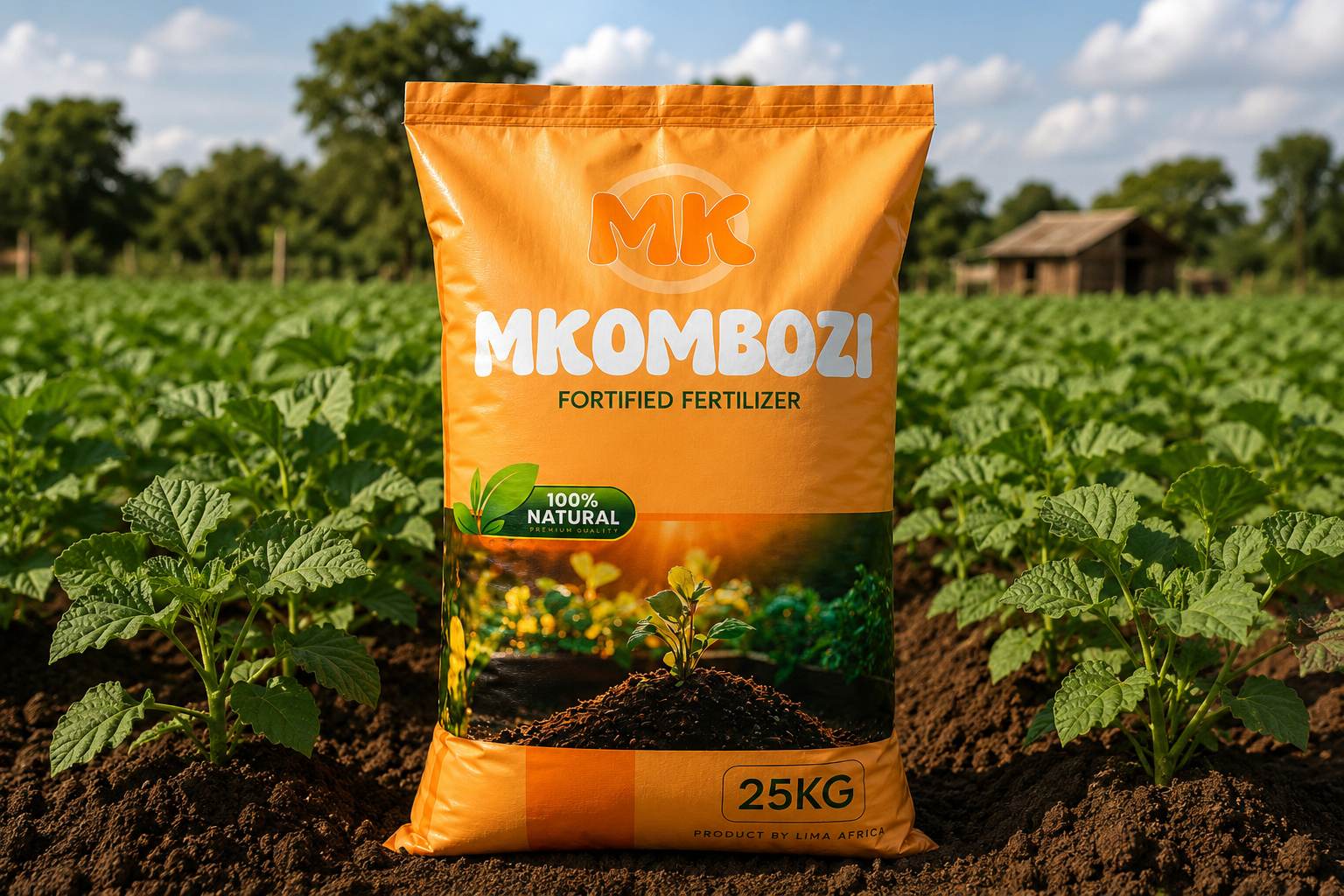
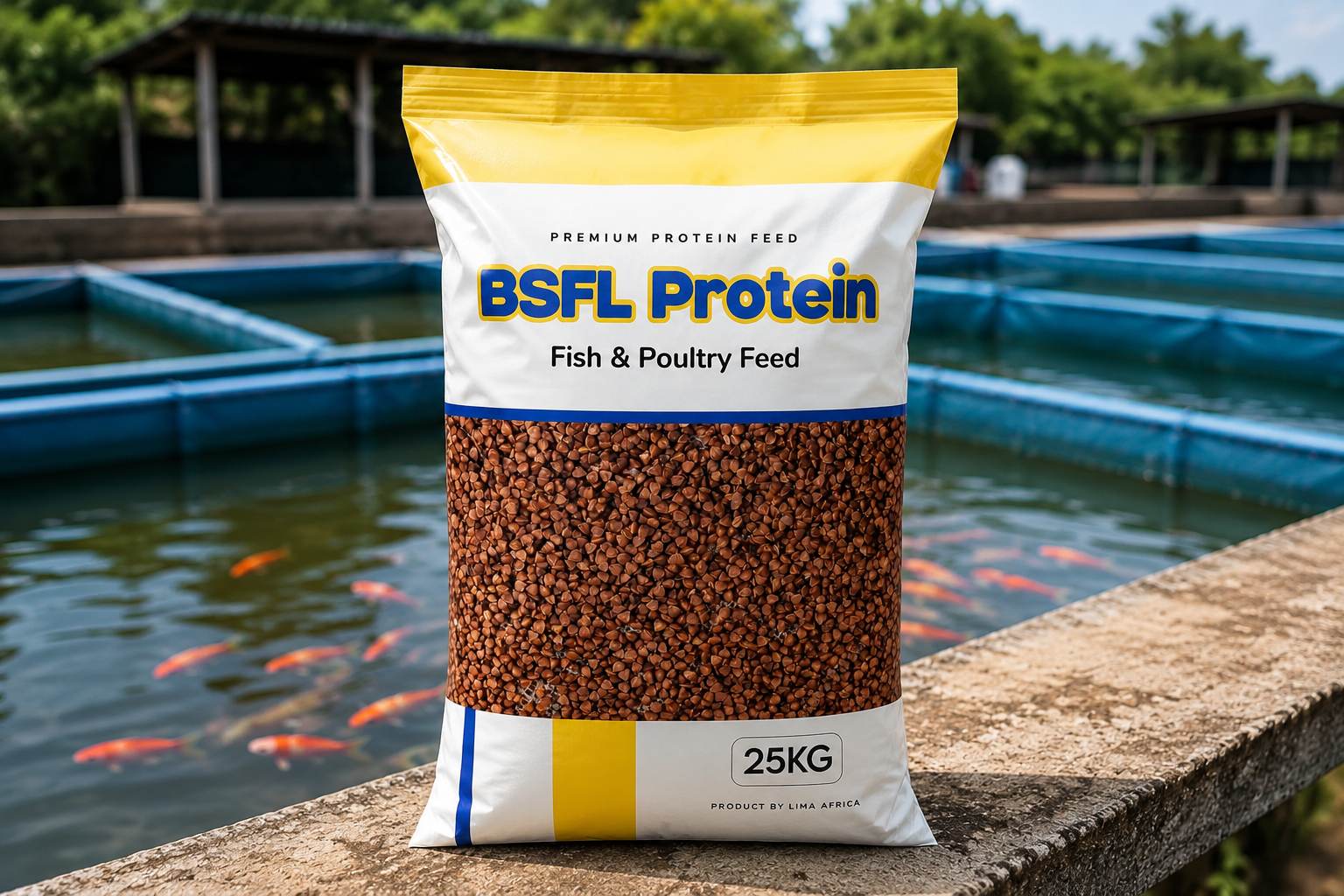
Our products are the revenue-generating outputs of Lima Africa’s organic-waste recovery infrastructure. They help farmers access more affordable, climate-smart soil and feed inputs while supporting a wider waste recovery system.
Certified organic fertilizer developed from recovered organic materials and biological processing.
A supercharged organo-mineral fertilizer under development, combining organic matter with targeted mineral nutrients.
A circular feed ingredient produced through black soldier fly bioconversion for poultry, aquaculture, and livestock feed systems.
Lima Africa tracks impact across waste recovered, soil inputs produced, farmers reached, and livelihoods supported. As we grow, we are strengthening production records, farmer-level data, field demonstrations, and climate-impact measurement to make every major claim traceable and credible.
Back scalable circular infrastructure for waste recovery, methane reduction, and regenerative agriculture.
Turn organic waste from a disposal burden into a productive local resource.
Build circular value chains through waste recovery, distribution, procurement, and ESG-aligned partnerships.
Help farmers access affordable soil inputs, demos, and circular agriculture support.
Lima Africa is seeking aligned investors, municipalities, climate funders, and commercial partners to scale circular infrastructure for regenerative food systems.
Lima Africa transforms organic waste into climate-smart agricultural inputs through hybrid circular infrastructure.
Copyright © 2026 Live Insects as Meals for Animals (LIMA) Co. ltd